

The Origin and History of Koi Fish
Koi history is closely linked to the development of decorative carp that are now admired in ponds worldwide. Koi, also known as nishikigoi, are decorative varieties of the common carp that were bred in Japan for their color and pattern. These fish were originally found across Asia and Central Europe before domestication took place in China and Southeast Asia. Their ability to survive and adapt to varying climates and water conditions allowed koi to spread throughout Japan over time.
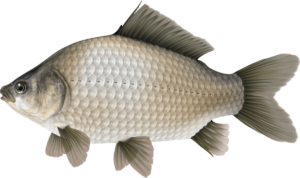
PRUSSIAN CARP
Selective breeding for color mutations was first carried out in China. Later, specialized breeding of Prussian carp led to the creation of the goldfish, which was introduced to Japan in the 16th century and to Europe in the 17th century. From these early breeding efforts, koi were further refined and developed into the ornamental fish known today.
Koi history and the Difference Between Koi and Goldfish
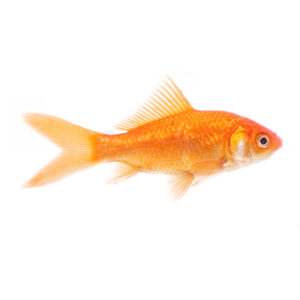
GOLDFISH
Although koi and goldfish share a common carp ancestry, they were developed from different carp species. While interbreeding can occur, any offspring produced are born sterile. Koi can be identified by the presence of barbels on their lips, which are not visible on goldfish. In comparison, goldfish are generally smaller and display a wider range of body shapes, fin styles, and tail forms.
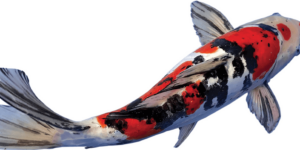
KOI FISH
Varieties of Koi Fish
An extensive range of colors and patterns has been developed through selective breeding. Common colors include white, black, red, yellow, blue, and cream. The most recognizable koi varieties have been grouped into named categories, with Gosanke being the most popular classification.
A visual list of koi types has been compiled to assist with identification and appreciation of these varieties. Understanding koi history helps explain how such diversity has been achieved and why koi remain one of the most valued ornamental pond fish in the world.