
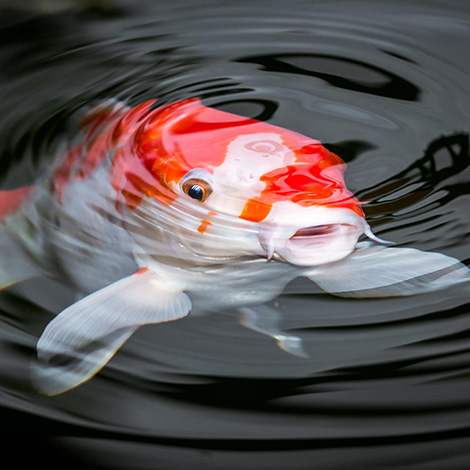
 Essential koi pond maintenance ensures your koi stay healthy, thrive, and enjoy a safe environment. Koi require care similar to animals in captivity. Just as zookeepers provide space, attention, and proper nutrition, pond owners must maintain water quality, circulation, and filtration. Without proper care, koi in even a large pond can become stressed, sick, and die.
Why Maintenance Matters
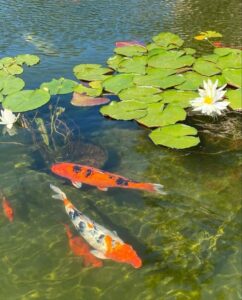
Imagine a 40,000-litre pond with 40 koi, each 400–500 mm long. If you neglect essential koi pond maintenance, these fish face poor water quality, disease, and death. Proper filtration, bio filtration, and UV clarification are critical to remove waste, debris, and toxins. Just as you would care for puppies in a large pen—cleaning, feeding, and monitoring daily—you must actively manage your koi pond.
Key Steps for a Healthy Koi Pond
-
Choose the right pond size – We recommend 15,000 liters or more for 10 large koi.
-
Avoid trees nearby – Leaves clog filters, and roots can crack your pond. Place the pond near patios or rooms where you can enjoy it.
-
Install bottom drains – Use drains with screw-on lids to prevent blockages. Sloping the pond floor 500 mm to the drain reduces debris and disease risk.
-
Use an external pond pump – Match pump size to your filters. External pumps last longer, are easier to maintain, and
 avoid electrical hazards common with submersible pumps.
 -
Add a settlement chamber system – Three chambers separate debris and prepare water for sand or bead filters, bio filters, and UV lights.
-
Install proper filters – Fiberglass sand filters or bead filters with blowers improve water clarity and reduce labor. Avoid swimming pool or plastic roto-mold filters.
-
Prioritize bio filtration – Bio filters remove ammonia naturally. Never open them unnecessarily to protect beneficial bacteria.
By following essential koi pond maintenance, you keep your koi healthy, water clean, and maintenance manageable. This ensures your pond remains a safe, beautiful, and low-stress environment for your fish.