
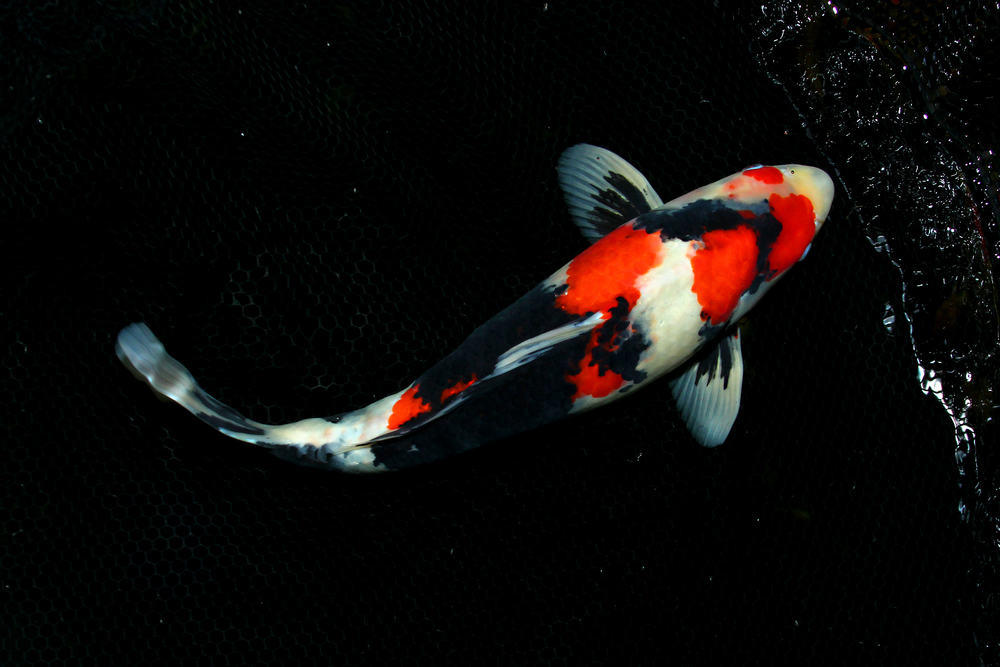
Minimum filtration requirements for small fish ponds determine whether a pond remains clear, healthy, and easy to maintain. Small ponds have limited water volume, which means waste builds up quickly from fish activity, uneaten food, and falling debris. Without proper filtration, toxins accumulate fast, stressing fish and encouraging algae growth. Installing the right filtration from the start protects fish health and stabilises water quality.
Minimum Filtration Requirements for Small Fish Ponds Explained
Every small fish pond needs three core filtration elements to function properly. Mechanical filtration removes solid waste such as fish excrement and leaves before it breaks down. A simple sponge filter, settlement chamber, or pre-filter basket can effectively trap debris and prevent it from polluting the water.
Biological filtration is equally important. Beneficial bacteria colonise bio media and convert toxic ammonia into nitrites and then into less harmful nitrates. Even small ponds must include bio filtration, such as bio balls, ceramic media, volcanic rock, or integrated bio chambers. This biological process keeps fish safe and reduces the risk of sudden water quality crashes.
Circulation also plays a vital role. A correctly sized pump ensures water continuously passes through the filter system, preventing stagnant areas where waste and algae thrive. The pump flow rate should turn over the entire pond volume at least once every hour to maintain consistent water quality.
When meeting minimum filtration requirements for small fish ponds, pond owners should also consider UV clarification. A UV light helps control green water caused by free-floating algae, especially in sunny locations. While not essential for every pond, it greatly improves clarity and reduces maintenance.
Overstocking quickly overwhelms small systems, even when filtration is installed correctly. Limiting fish numbers, feeding carefully, and performing small regular water changes support filtration efficiency.
By following minimum filtration requirements for small fish ponds, owners create a balanced environment that keeps water clear, fish healthy, and maintenance manageable. Proper filtration transforms a small pond into a stable, enjoyable feature rather than a constant problem.