
Oxygen in Koi Ponds: Why It Matters and How to Maintain It
 Healthy oxygen levels play a vital role in every koi pond. Koi rely on dissolved oxygen to breathe, digest food, and maintain strong immune systems. When oxygen levels drop, fish become stressed, water quality declines, and serious health problems can develop quickly. Pond owners who actively manage oxygen create a safer, clearer, and more stable environment for their koi.
Why Oxygen Is Essential for Koi Health
Koi absorb oxygen directly from the water through their gills. When oxygen levels remain high, koi stay active, feed well, and grow properly. Low oxygen levels cause koi to gasp at the surface, lose appetite, and become vulnerable to disease. Beneficial bacteria also depend on oxygen to break down ammonia and other toxins. Without enough oxygen, the biological filtration system slows down, allowing harmful waste to build up.
Warm weather, overstocking, excess feeding, and algae blooms often reduce oxygen availability. During hot periods, water holds less oxygen, while fish demand more of it. At night, algae consume oxygen instead of producing it, which can cause sudden oxygen crashes.
How Low Oxygen Affects the Pond Ecosystem
Insufficient oxygen disrupts the entire pond system. Poor oxygen levels weaken koi, slow filtration efficiency, and encourage the growth of harmful bacteria. As waste accumulates, water clarity declines and foul odors develop. Maintaining stable oxygen helps prevent these problems and keeps the pond balanced.
How to Improve Oxygen Levels in Koi Ponds
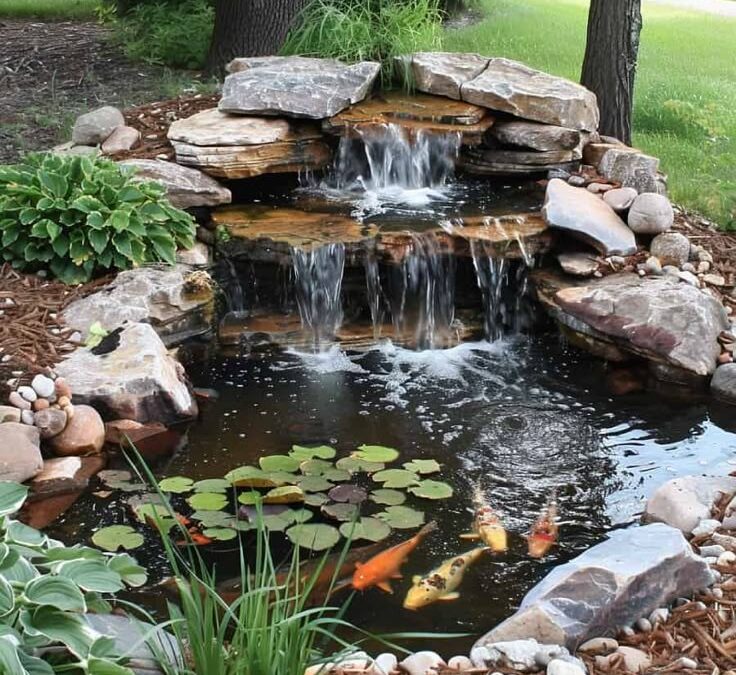
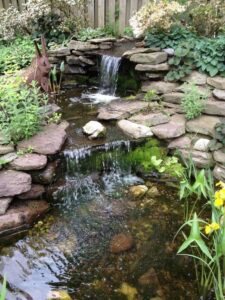
Owners can increase oxygen by improving water movement and surface agitation. Waterfalls, fountains, and air pumps all help oxygen enter the water. Regular filter maintenance ensures strong circulation and prevents blockages that reduce flow. Avoid overstocking and overfeeding, as both place unnecessary strain on oxygen levels.
Adding plants in moderation and performing partial water changes also supports stable conditions. By monitoring fish behavior and water quality, pond owners can respond quickly to oxygen-related issues.
Maintaining proper oxygen protects koi health, supports filtration, and ensures a clean, thriving pond throughout the year.